Navigating Racial Battle Fatigue: Practical Strategies for Emotional and Psychological Resilience in a Multicultural World
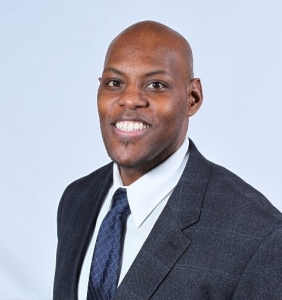 Cory J. Anderson writes about practical ways to think about and implement equity, diversity, and inclusion in the workplace. He has always lived in a multicultural environment which he credits as his inspiration to bring diverse groups of people together. Cory is passionate about using facilitated conversations as a tool to increase understanding and personal development. He has held various leadership positions with several nonprofit organizations and universities facilitating multicultural education. He is the founder of Identity Blueprint, an organization focused on breaking down barriers one conversation at a time. Follow him on Twitter @mrca12.
I am someone who believes in engaging in dialogues across cultures. Yet, I have experienced, and continue to work through, racial battle fatigue.
Racial battle fatigue, as defined by University of Utah professor Dr. William A. Smith: the cumulative emotional, psychological, physiological, and behavioral effects that racial micro-aggressions have on people of color. In simple terms: the mounting everyday experiences of discrimination people of color face impacts their well-being.
I have a business focusing on coaching people and organizations around cultural awareness. Yet, the trauma and experience of being black almost prevented me from moving forward.
In the summer of 2016, I hit a wall. There were many police-involved shootings by this time. It was the back-to-back deaths of Alton Sterling and Philando Castile that had me in tears. I couldn’t sleep. I said a prayer, then emailed my elected officials and the police captain in my area to voice my concerns.
The next morning, I decided to lead a conversation with a group of students about how they were feeling. The makeup of this group of students was primarily black. If I was having challenges processing what was happening, they likely had similar thoughts and feelings. It was vital for me to offer space for the students to express themselves. After the discussion, I went outside, walked around the building and cried. At that point, I didn’t realize it, but I was experiencing racial battle fatigue.
I no longer wanted to have a conversation about race, even though that was a part of my job. I retreated as much as I could. People at work thought I was in a bad mood, or being antisocial. In actuality, I was trying to protect my emotional and spiritual health. I was being cautious, even around co-workers, as I felt like they might not understand why I was struggling.
A few months later, I discussed different business ideas with friends. One noted, “when I think of you, I think of diversity and inclusion.” In my mind, I was like, nope! I don’t want anything to do with trying to help anyone else in that area, because I felt exhausted.
I felt tired of having the same conversations over and over and feeling like nothing was going to change.
I felt tired of feeling paranoid around police.
I felt tired of trying to understand why people who look like me can’t live life, like my white friends.
I felt tired, and if we’re being honest, I still am. Over time, I’ve learned how to deal with some of the emotions that come with racial battle fatigue.
So how do I cope?
First, I limit my use of social media. Before this point, I was very vocal. I would share tons of articles and comment on various posts, but after that summer I stopped. I realized social media was feeding the fatigue. Troubling stories and images were filling up my news feed. Now, I think long and hard about what I share and the comments I make. I know now that I am not a keyboard warrior and don’t have to respond to every ignorant comment.
Second, I realized racial battle fatigue is not something you just get over. For me, it has been an ongoing process of learning about my trigger points and how to cope with them. As I write this, the news is still reeling of a police officer who shot and killed Botham Shem Jean in his own home. I make it a point to limit the amount of information I look at about the incident, even though I’d like to know more. The thought alone makes me anxious.
Some people may read this and ask: how can I help?
- Understand what role you might play. Your actions (or lack thereof), social media posts, comments or behaviors could be contributing to the fatigue of someone else.
- Give people space, yet let them you know you care. Depending on your relationship with co-workers and friends, check in on them to see how they are doing. The acknowledgment of what’s happening in the news could go a long way.
- Become more aware. I can’t stress this enough. Being knowledgeable about historical issues people of color have faced will give context. The knowledge will help you empathize with those you care about.
It is vital we recognize racial battle fatigue is real, and the impact it has on our family and friends. As humans, we should work to make sure all people can live spiritually, emotionally and mentally healthy lives – free from the fatigue of their identity.